

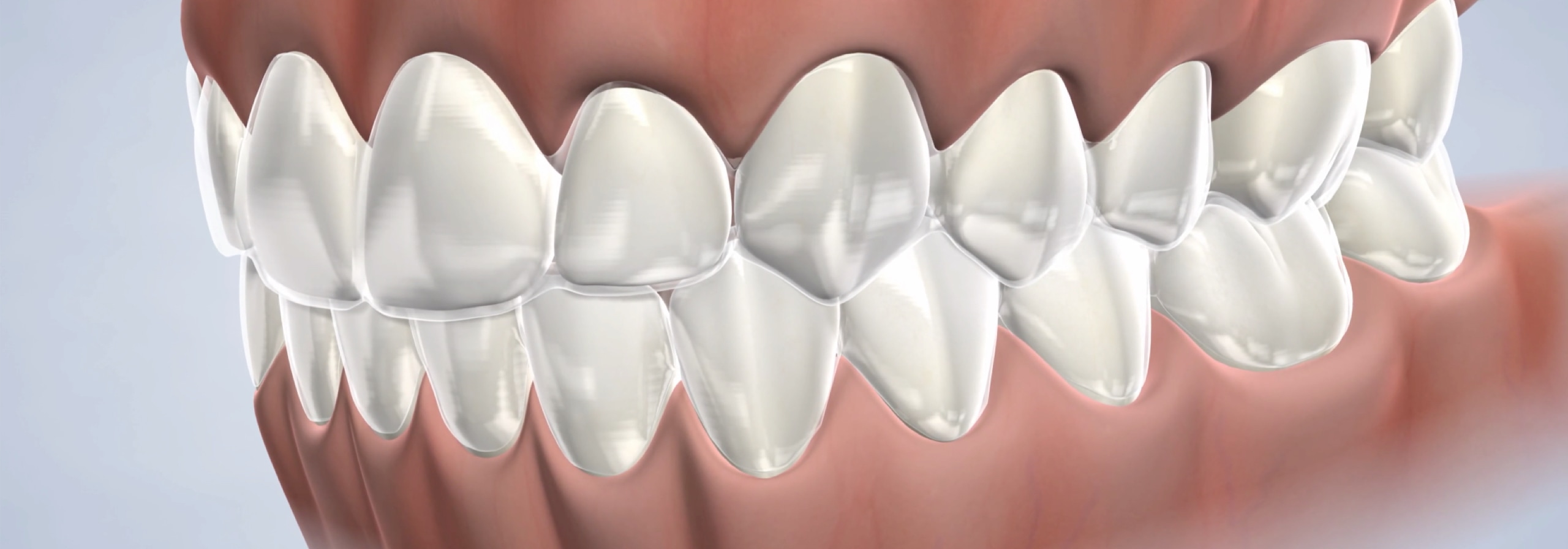
Invisalign® Clear Aligners in Omaha, NE
The Most Advanced Clear Aligner System
A straighter smile should fit comfortably into everyday life. Invisalign® uses a series of removable, nearly invisible aligners to move teeth gradually without metal brackets or wires. The aligners allow patients to eat normally, brush and floss with fewer obstacles, and receive orthodontic care with less visible hardware.
At Braces Omaha, Invisalign treatment is planned and monitored by board-certified orthodontist Dr. Clarke Stevens. He evaluates the teeth, bite, jaw relationships, and treatment goals before determining whether clear aligners or another orthodontic option would provide the most appropriate path forward.
Braces Omaha welcomes children, teens, and adults from Omaha and surrounding communities, including La Vista, Papillion, Bellevue, Fremont, and Council Bluffs.
What Is Invisalign?
Invisalign is an orthodontic system that uses a sequence of custom-made clear aligners to move teeth into planned positions. Each aligner applies controlled pressure to selected teeth. Patients progress through the series according to an individualized schedule while their orthodontist monitors alignment and bite changes.
The aligners are removable, but successful treatment depends on consistent wear. Most patients are instructed to wear them for approximately 20 to 22 hours per day, removing them for meals, drinks other than water, brushing, and flossing.
What Orthodontic Problems Can Invisalign Treat?
Invisalign may address many common alignment and bite concerns, including:
- Crowded or overlapping teeth
- Gaps between teeth
- Overbite
- Underbite
- Crossbite
- Open bite
- Rotated or tilted teeth
- Teeth that have shifted after previous orthodontic treatment
Clear aligners are versatile, but they are not automatically the best choice for every patient. The complexity of the tooth movement, jaw growth, bite relationship, gum health, and ability to wear the aligners consistently all influence candidacy.
Some patients may achieve more predictable results with traditional braces or a treatment plan that combines more than one orthodontic technique. Dr. Stevens will explain the advantages and limitations of each suitable option after examining the teeth and bite.
How Does Invisalign Treatment Work?
Invisalign treatment follows a carefully planned sequence. Digital records are used to map the intended tooth movements, but the orthodontist’s diagnosis and ongoing supervision guide the process.
Your Initial Orthodontic Consultation
During a free orthodontic consultation, the Braces Omaha team will discuss the concerns you would like to address and evaluate the alignment of your teeth and bite.
If Invisalign is appropriate, digital records help Dr. Stevens develop a treatment plan and determine how each stage of movement should progress. You will also have an opportunity to compare clear aligners with braces, discuss the expected treatment commitment, and review financial options.
Creating Your Custom Aligners
Your aligners are made to fit closely over your teeth. Each set is shaped to support a particular stage of movement, allowing the teeth to progress gradually toward their planned positions.
Some patients need tooth-colored attachments placed on selected teeth. These small shapes give the aligners additional grip for certain movements. In other cases, limited interproximal reduction may be recommended. This carefully planned process removes a very small amount of enamel between specific teeth to create space when clinically appropriate.
Not every patient needs attachments or interproximal reduction. Dr. Stevens will explain any recommended preparation before it is performed.
Wearing and Changing Your Aligners
Aligners generally need to be worn for 20 to 22 hours each day. Patients commonly change to a new set every one to two weeks, although the exact schedule depends on the treatment plan and how the teeth are responding.
Aligners should be changed only as directed. Wearing them less than prescribed or advancing to the next set too early may interfere with tracking, extend treatment, or require adjustments to the plan.
Orthodontic Checkups
Periodic visits allow Dr. Stevens to confirm that the teeth are moving as intended, assess the bite, provide additional aligners, and make changes when necessary. Appointment timing varies according to the case and stage of treatment.
These visits remain important even when the aligners appear to fit. Invisalign is an orthodontic treatment, not simply a series of trays, and professional monitoring helps keep tooth movement coordinated with the health and function of the bite.
Retainers After Invisalign
Retainers are typically needed after active Invisalign treatment. Teeth naturally tend to shift over time, and retainers help preserve their corrected positions while the surrounding tissues adapt.
Your retainer type and wear schedule will be based on your treatment needs. Following the recommended retainer care instructions is essential to protecting the result.
What Are the Benefits of Invisalign?
Invisalign appeals to many patients because it combines discreet treatment with greater day-to-day flexibility.
Potential benefits include:
- Clear aligners that are less noticeable than metal braces
- Removal for meals and most drinks
- No orthodontic food restrictions while the aligners are out
- Easier access for brushing and flossing
- Fewer issues involving broken brackets or protruding wires
- Digital planning that illustrates the intended treatment progression
- Treatment options for many teens and adults
- The ability to remove aligners briefly for important occasions
The removable design is both an advantage and a responsibility. Aligners work only while they are being worn, so patients must be prepared to follow the prescribed schedule consistently.
Invisalign for Teens
Invisalign for teens may provide a discreet alternative to braces for adolescents who are appropriate candidates and responsible enough to manage removable aligners.
Teens need to wear their aligners as directed, keep track of them during meals and activities, maintain good oral hygiene, and attend scheduled visits. Parents should consider whether their child is ready for that responsibility. For some teens, fixed braces may offer a more dependable option because they cannot be removed or misplaced.
An orthodontic evaluation considers more than appearance. Dr. Stevens will assess dental development, jaw growth, bite correction, and the movements required before recommending Invisalign or braces.
Invisalign for Adults
Adult Invisalign treatment can address concerns that were never treated earlier or teeth that have shifted since previous orthodontic care. The discreet appearance and removable design may be particularly appealing in professional and social settings.
Age alone does not prevent orthodontic treatment. Healthy teeth and supporting tissues can often be moved successfully in adulthood. Existing dental work, gum health, missing teeth, and restorative plans may affect the treatment approach, so a complete evaluation is necessary before beginning.
Invisalign vs. Braces
Invisalign and braces can both straighten teeth and improve many bite problems, but they place different demands on the patient.
Invisalign offers removable, less visible treatment and easier access for oral hygiene. It also requires disciplined daily wear and careful aligner management. Braces remain fixed to the teeth, so they work continuously and do not depend on remembering to put them back in.
The best option depends on the movements required, treatment goals, lifestyle, age, dental development, and ability to follow instructions. Dr. Stevens will recommend the system he believes can address the case predictably, rather than assuming one method is universally better.
How Long Does Invisalign Take?
Invisalign treatment length varies. The complexity of the alignment and bite concerns, number and type of tooth movements, patient growth, aligner wear, and biological response all influence the timeline.
Some limited corrections take less time than comprehensive treatment, while complex cases may require a longer series of aligners. Additional refinement aligners may also be recommended after the initial series to improve particular tooth positions or bite relationships.
A personalized estimate can be provided only after an orthodontic examination and treatment planning.
Is Invisalign Uncomfortable?
Invisalign may cause temporary pressure or tenderness, particularly when a new aligner is introduced. This usually reflects the controlled force being applied to move the teeth. The sensation varies by patient and often becomes more manageable as the mouth adjusts.
Aligner edges or attachments may occasionally irritate the lips, cheeks, or tongue. Persistent pain, a damaged aligner, poor fit, or an aligner that will not seat properly should be reported to the Braces Omaha team rather than managed by changing the treatment schedule independently.
How Should Invisalign Aligners Be Cleaned?
Aligners should be rinsed when removed and cleaned regularly according to the instructions provided by the orthodontic team. Use cool or lukewarm water because hot water may distort the plastic.
Brush and floss before reinserting the aligners whenever practical. Placing trays over food debris or sugary residue may increase the risk of odor, staining, tooth decay, and gum irritation.
Remove the aligners before eating and before drinking anything other than water. Store them in their case when they are not in the mouth to reduce the risk of loss, damage, or contamination. More detailed guidance is available in the practice’s Invisalign care instructions.
How Much Does Invisalign Cost in Omaha?
The cost of Invisalign depends on the complexity of treatment, anticipated treatment length, and services included in the plan. A consultation and orthodontic evaluation are necessary before an accurate fee can be established.
Insurance benefits vary by plan. Some dental insurance policies include orthodontic coverage that may apply to Invisalign, while others exclude adult treatment or set a lifetime orthodontic maximum. Patients should confirm the details of their individual benefits.
Braces Omaha offers payment options, including 0% in-house financing, and may provide a discount for payment in full. Eligible patients may also use health savings account or flexible spending account funds. Review the practice’s Invisalign cost and payment information for additional details.
Why Choose Braces Omaha for Invisalign?
Clear aligners are a treatment tool. The quality of the diagnosis, planning, supervision, and adjustments remains central to the result.
Dr. Clarke Stevens is certified by the American Board of Orthodontics and is a member of the American Association of Orthodontists. He completed his orthodontic residency and earned his master’s degree and orthodontic certificate at the University of North Carolina at Chapel Hill.
At Braces Omaha, treatment recommendations are based on the needs of the teeth and bite rather than a preference for one appliance. Patients receive the opportunity to compare Invisalign with braces, understand what treatment will require, and ask questions before deciding how to proceed.
Schedule a Free Invisalign Consultation in Omaha
Choosing between Invisalign and braces begins with understanding what your teeth and bite require. During a free consultation, Dr. Stevens can evaluate your concerns, discuss appropriate treatment options, explain the expected commitment, and provide individualized cost information.
Schedule a free Invisalign consultation with Braces Omaha or call (402) 334-7339. The practice is located at 16161 Cass Street, Suite 100, Omaha, NE 68118.
Hear From Our Patients




Frequently Asked Questions About Invisalign
Am I a candidate for Invisalign?
Invisalign may be appropriate for teens and adults with many common alignment or bite concerns. Candidacy depends on the required tooth movements, dental development, oral health, and ability to wear the aligners consistently. An orthodontic examination is the only reliable way to determine whether Invisalign, braces, or another approach is most suitable.
How many hours a day should I wear Invisalign?
Most patients are instructed to wear Invisalign aligners for approximately 20 to 22 hours each day. They should generally be removed only for eating, drinking anything other than water, brushing, and flossing. Follow the schedule provided by Dr. Stevens, as inconsistent wear may delay progress or prevent the aligners from fitting properly.
Do I sleep with Invisalign aligners in?
Yes. Invisalign aligners are normally worn while sleeping because nighttime wear contributes to the recommended daily total. Removing them overnight would leave them out for too many hours and may interfere with treatment. If an aligner causes unusual pain or does not fit correctly, contact Braces Omaha for guidance.
Can I eat while wearing Invisalign?
No. Aligners should be removed before eating to prevent staining, distortion, and damage. They should also be removed before drinking anything other than water. After eating, clean your teeth and rinse or clean the aligners before placing them back in your mouth whenever practical.
When will I notice my teeth moving?
Some patients notice subtle changes relatively early, while others recognize progress later in treatment. Visible movement depends on which teeth are being addressed first and how the treatment sequence is planned. Early appearance is not a reliable measure of overall progress, so aligners should be worn and changed only according to the prescribed schedule.
Does Invisalign work faster than braces?
Not necessarily. Treatment time depends more on the orthodontic problem, the movements required, biological response, and patient cooperation than on the appliance alone. Invisalign may be efficient for an appropriate case, while braces may be more predictable for another. Dr. Stevens can compare the likely approaches after evaluating the teeth and bite.
Will I need attachments with Invisalign?
Possibly. Tooth-colored attachments may be placed on selected teeth when the aligners need additional grip to produce particular movements. Their number, shape, and location depend on the treatment plan. Some patients need several attachments, while others need few or none. Dr. Stevens will explain their purpose before treatment begins.
Will my teeth stay straight after Invisalign?
Retainers are generally required to maintain the corrected positions after Invisalign. Without retention, teeth may shift as the supporting tissues reorganize and as natural changes occur over time. Wearing retainers according to the prescribed schedule is one of the most important steps in protecting an orthodontic result.
A Happier Smile Starts Here
We’re a family-friendly practice that provides optimal orthodontic care in a comfortable, approachable setting. To learn more about your treatment options for yourself or your child, we encourage you to contact Braces Omaha to schedule a complimentary consultation.